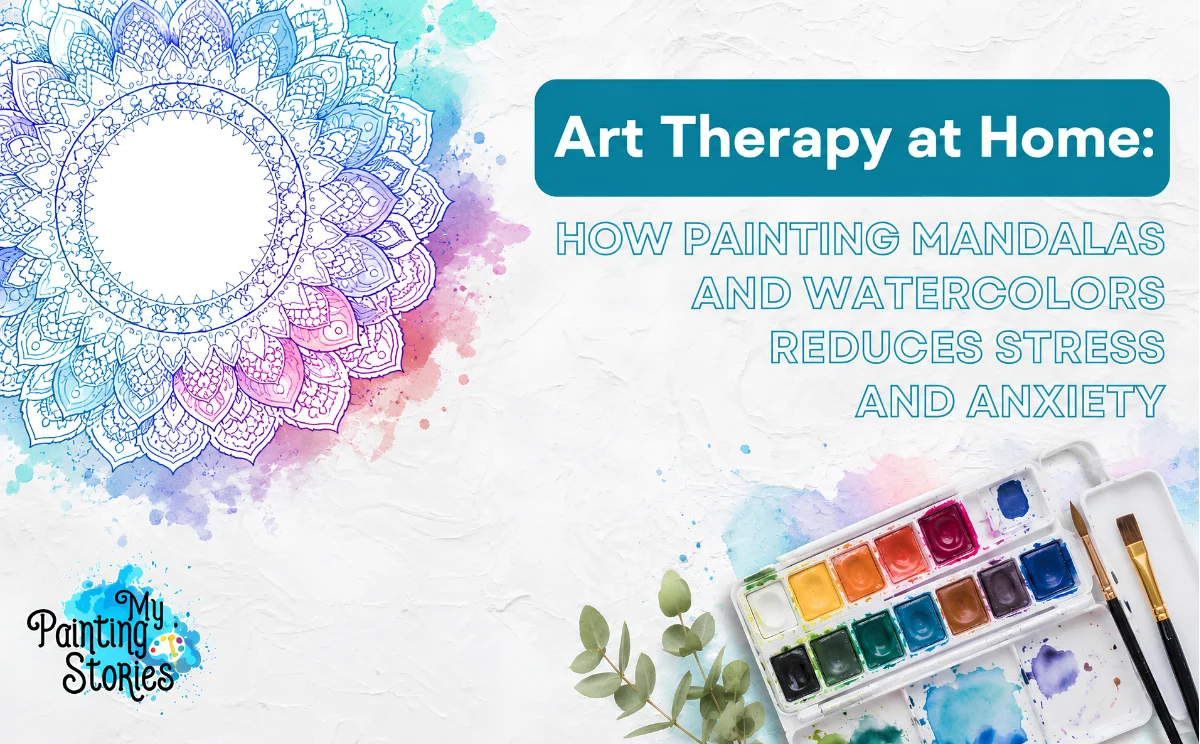
In an age dominated by screen fatigue and constant notifications, finding a creative outlet to quiet the mind is essential. Art therapy—specifically structured practices like mandala drawing and watercolor painting—offers a scientifically backed way to lower cortisol levels and induce mental calm.
How Mindful Art Therapy Calms the Brain
- Activates the Flow State: Engaging in rhythmic, repeated brushstrokes triggers a mental state where focus shifts entirely to the present moment, pausing racing thoughts.
- Lowers Anxiety Symptoms: Focusing on intricate line work reduces brain activity in the amygdala (the brain’s stress response center).
- Encourages Non-Judgmental Expression: Unlike competitive tasks, creative journaling and watercolor painting prioritize the process over perfection.
3 Simple Mindful Art Practices You Can Do at Home
- 15-Minute Daily Dot Mandala: Use acrylic markers or the back of a paintbrush to create repetitive dot patterns around a central point.
- Watercolor Wet-on-Wet Blends: Wet a square section of watercolor paper with clean water, drop in two soothing colors (like blue and soft green), and watch them blend organically without controlling the outcome.
- Aesthetic Journaling Prompts: Spend 10 minutes sticking paper clippings, leaves, or quotes into a journal while reflecting on weekly wins.
“Painting is an awe-inspiring practice that transports you to a place of tranquility and serenity, lifting your spirits away from everyday fatigue.” — My Painting Stories
FAQ
Not at all! Mindful art therapy focuses entirely on the process rather than perfection. Techniques like dot mandalas or watercolor wet-on-wet blending are designed to be intuitive and stress-free, requiring zero prior artistic skill or experience.
Even short sessions can make a noticeable difference. Just 10 to 15 minutes of focused, rhythmic artistic creation—such as repetitive line work or blending colors—is enough to lower cortisol levels, activate a flow state, and quiet racing thoughts.